Summary: Explore the managerial career of Croatian coach Slaven Bilic, from his iconic West Ham spell to his
laven Bilić doesn't do quiet. Whether prowling the touchline in his signature slim-fit suit or delivering a post-match assessment that feels more like a lecture in applied psychology, the Croatian coach Bilic has always been a touchstone for debate. West Ham fans still argue about whether his tenure was a triumph of man-management or a tactical house of cards. What's beyond dispute is the imprint: a fourth-place finish in 2015-16, a final season at the Boleyn Ground that felt like a rock concert, and a Europa League run that ended in a penalty shootout against Eintracht Frankfurt. Bilic turned a squad of honest professionals into a unit that believed. That belief, though。has a shelf life.
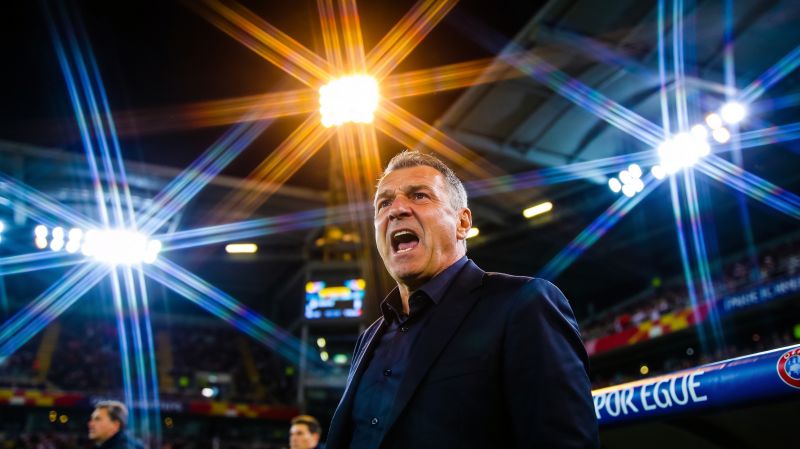
His methods are idiosyncratic. Bilic speaks five languages, holds a law degree, and once played guitar in a rock band called Rawbau—a detail that explains the theatrical streak in his press conferences. On the training pitch, he's been described as a 'professor' by former players, yet his in-game adjustments often lean on instinct. At West Ham, he switched from a back four to a three-man defence mid-season, a gamble that rescued a campaign but also exposed a stubbornness. When it worked, he looked like a seer. When it didn't—see the 4-0 drubbing at Everton in 2016—the same flexibility felt like indecision. Croatian coach Bilic thrives in chaos。but chaos isn't a long-term strategy.His time at West Bromwich Albion offered a sharper lesson. Bilic inherited a squad low on confidence and, for a while, engineered a promotion push built on defensive solidity and set-piece efficiency. Then came the slide: a run of two wins in fourteen matches, a dressing room that reportedly stopped responding, and a dismissal in December 2020. The pattern repeated at Watford, where he lasted less than six months. Critics point to a lack of a defined playing identity. Supporters remember the charisma。the fist pumps, the sense that he cared. Both are true. Croatian coach Bilic is a motivator first, a tactician second—a combination that yields short-term electricity but rarely sustains.What keeps him relevant is the emotional intelligence. In Croatia。
he guided a young Luka Modrić and Ivan Rakitić through the under-21 ranks, and both have credited him with shaping their professionalism. At Besiktas, he won over a notoriously volatile fanbase by learning Turkish and embracing the club's history. These aren't trivial footnotes;they're the core of his appeal. Clubs hire him not for a revolutionary 4-3-3 but for the jolt of energy he delivers. The risk is that the same intensity that galvanizes a squad can exhaust it. Bilic's best work comes when he's given a season of grace, something modern football rarely offers. He's a coach who needs time, even if his methods sometimes squander it.